Introduction:
fashion is not for the attire. it is an indicating that who are you, how do you live, and what is your culture. among the many styles the women choose in today, western wear stands out because it’s a flexible, stylish and to love all the around the world. western wear outfits always give you a freedom to try new clothes, fabrics and accessories it’s that all while staying a comfortable.
from casual jeans and the t shirts to the elegant evening gown, western wear has always something for every occasion, age, and the personality. all thanks to the social media, fashion blogs and the global trends, western wear has become to a very big part of the everyday wardrobes. that’s why the understanding it is a must for any women who always loves the fashion. in this we will take you through everything from its history and the evolution yo the fabrics, styling tops and the accessories
________________________________________
What is Western Wear:
western wear means clothing styles that comes from the countries like the US, UK, and Europe. these outfits are made for to look modern, stylish, and a practical, which makes them to the perfect for a casual day, office looks or an even special event.
it’s like those traditional Indian clothes is such as sarees, lehengas, or a salwar kameez, so that western wear is focused on:
1.versatility – you van wear the same outfits for the different occasions.
2.comfort – it’s easy to move around in and for practical for the daily life.
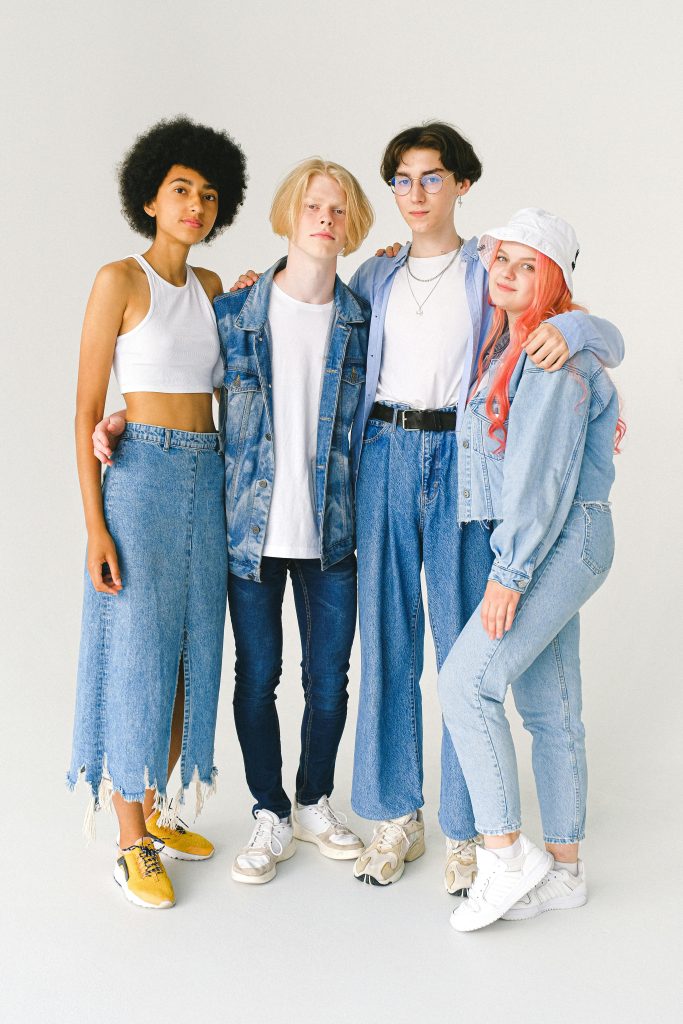
3.trendiness – denim skirts are inspired by the global fashion and a pop culture.
4.self-expression – mix and match the clothes and accessories to show your personal outfits.
Here are some popular western pieces are a;
1.dresses are mini, midi, maxi.
2.tops and shirts like blouses, crop tops, or off shoulder.
3.bottoms are like jeans, trousers, skirts, shorts.
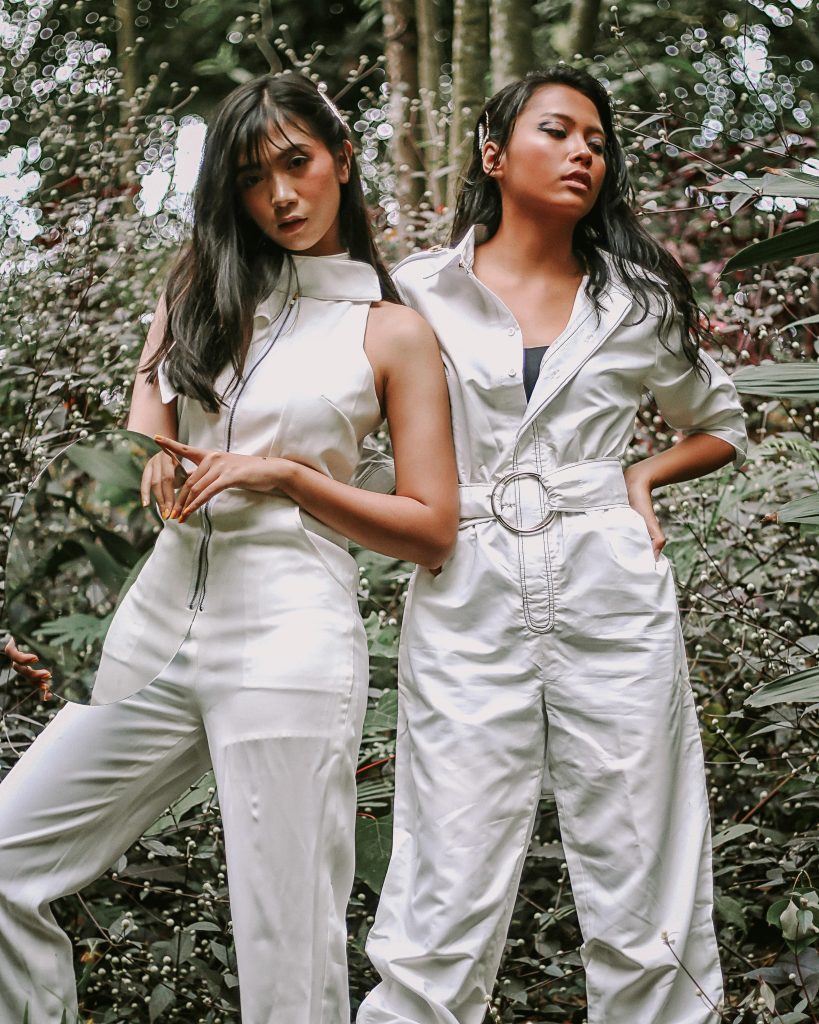
4.jumpsuits and rompers
5.there are jackets, blazers and coats
6.there are matching outfits
todays, western wear aren’t just a casual street fashion – it’s also can wear to the offices , on the trips, at the weekend outings and even at the parties, that’s why in has become such an important part of a modern clothing.
Evolution of Western Wear for Women:
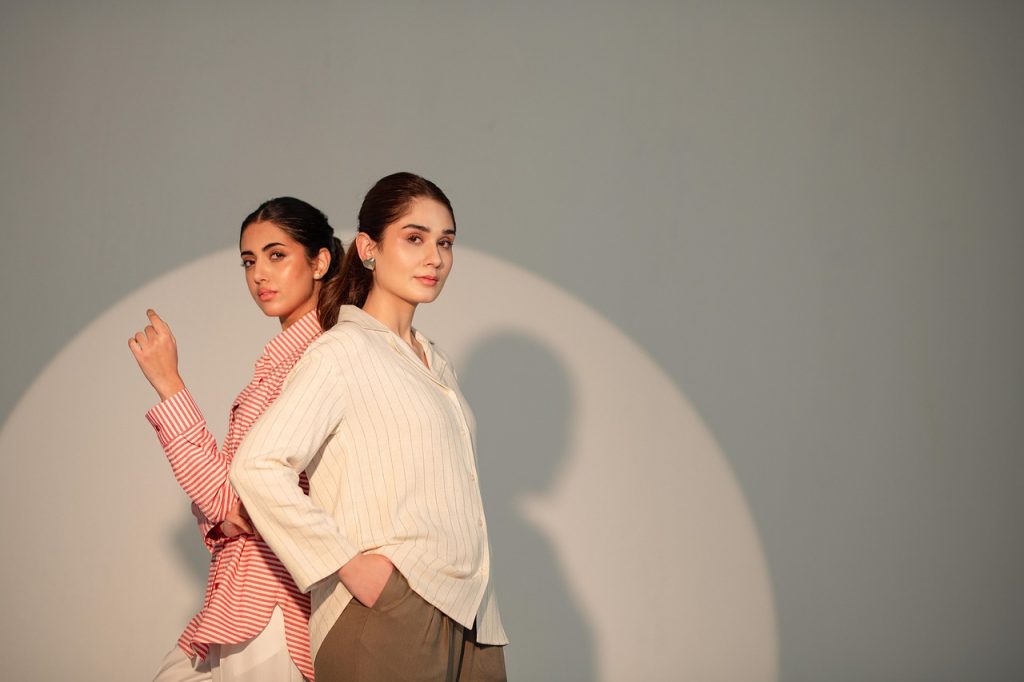
understanding the journey of the western wear helps us to see how the fashion has changes with time and adapted to a new lifestyle.
early 1900s elegance:
in the early 20th century, the fashion is all about the grace and the sophistication. women wear a land, flowing reses, high neck blouses, corsets and the delicate lace. it’s also a rich in fabrics like silk a satin, and wool. so, the overall fashion is just focused on the modesty and refinement.
1920s – Flapper Era;
in the 1920s they are completely transformed the fashion. so, the Dresses became shorter, it fits were it’s been looser, and bold patterns come over. Fringe, sequins, and geometric designs are everywhere. This was the moment when women feel its independence, freedom, and rebellion against old traditions.
1940s – Wartime Practicality:
during the World War II made practicality it has become an essential. women were wearing the trousers, knee length skirt and a simple blouse it will be suitable for the work and the daily life. cotton and the wool blends where the things are a common so that it’s been proving that the fashion could be functional hence without losing style.
1950s – Glamour Returns:
After the war, all the glamour made a comeback. than the Christian Dior’s launch the “New Look” and introduced full skirts, cinched waists, and feminine silhouettes. the starts to use Pastel colours, polka dots, and elegant fabrics were everywhere. Fashion in this era was dreamy, sophisticated, and aspirational.
1960s-70s – Youth & Bohemian Styles:
Fashion has become as now the young peoples are to experimental new things, like miniskirts, bell bottoms and a maxi dress were everywhere. with the bright prints that look has reflected that they influence for the music, movies and the social change.
1980s – Power Dressing:
when more women entering the workforce, the 80s brought a “power dressing.” like Bold colours, shoulder pads, and tailored suits became symbols of strength. Casual fashion also grew, with denim and relaxed wear becoming part of everyday wear wardrobes.
1990s-2000s – Casual & Pop Culture Influence:
this is was the time of the crop tops, low rise jeans and a oversized sweaters that make a fashion in 1990s with the music , videos and the celebrities inspired from their daily fashion , the style was the funny , comfy and more related.
2010s-2020s – Modern & Sustainable Fashion:
todays fashion is more about they balance of looking stylish while staying comfortable and eco friendly like wise co ore sets , oversized outfits and that even much better for the gender neutral clothing are popular .
Popular Categories of Western Wear
Dresses
western wears has always something for the e every occasions in evening gowns
They range from casual daywear to glamorous evening gowns. Styles include:
1. Mini Dresses: Fun and flirty for casual or party occasions.
2. Midi Dresses: Elegant and versatile for office or brunch.
3. Maxi Dresses: Flowing and comfortable, perfect for summer or travel.
Tops and Shirts
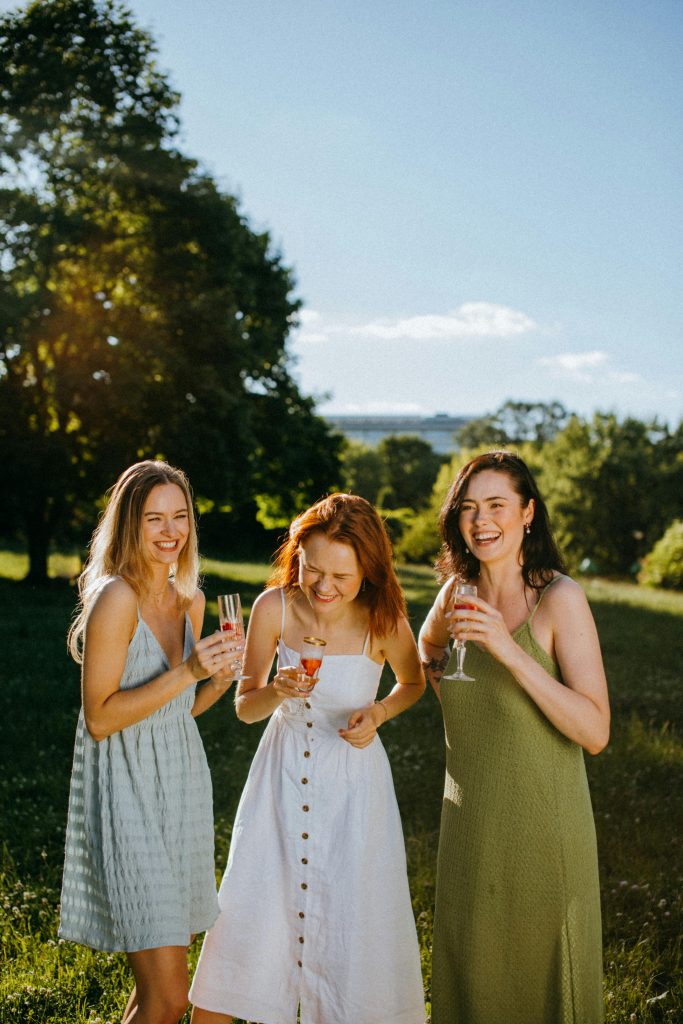
Tops define the upper half of your outfit:
1. Crop Tops: Trendy and youthful, perfect for casual outings.
2. Blouses & Shirts: Suitable for office and formal events.
3. Off-Shoulder & Cold-Shoulder Tops: Chic and stylish for social occasions.
4. Basic T-Shirts: Daily essential, easy to pair with jeans or skirts.
Bottoms
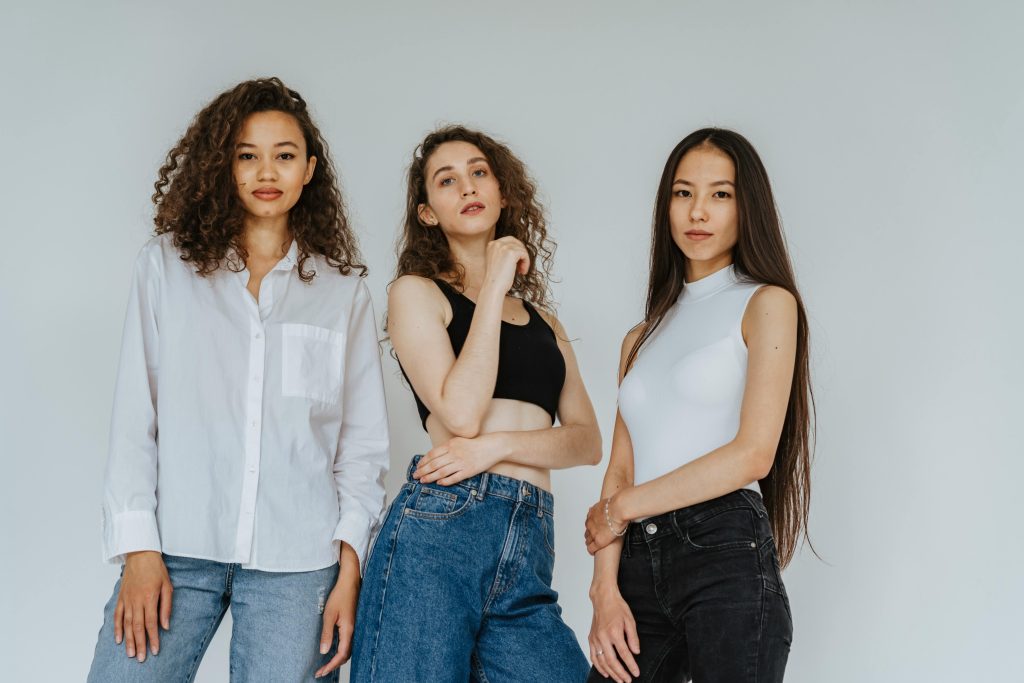
Bottoms provide versatility and style:
1. Jeans: available in the skinny n straight flare and a boyfriend fits outfit
2. Trousers & Pants: they are perfect for the office and the professional look .
3. Skirts: you can wear it when its your mood like A-line, pencil, pleated, or denim skirts.
4. Shorts: you can wera it for a casual cool look is a perfect for the summers .
Jumpsuits and Rompers
these one piece of the outfit are stylist and easy to wear and its great for the casual outings , semi formal events and for the evening parties.
Layering complete the look : ( jackets and outerwear )
1. Blazers: smart and professional
2. Denim Jackets: Cool and versatile.
3. Leather Jackets: bold and edgy .
4. Coats & Capes: warm elegant and winter ready.
Co-Ord Sets
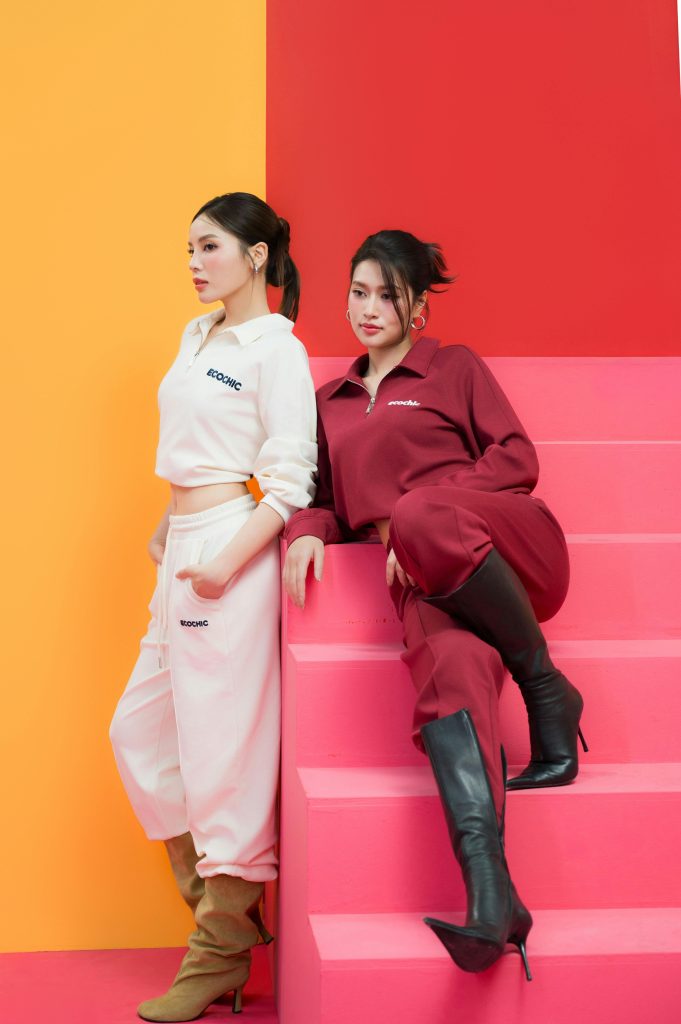
Matching top and bottoms always gives you a effortless, polished look. Always perfect for the brunches , travel, or semi formal events .
________________________________________
Fabrics Commonly Used in Western Wear :
different fabrics are used deepening on comfort and the occasion :
1. Cotton: Soft, breathable, perfect for daily for casual wear.
2. Denim: strong and versatile are best for jeans, jackets, and skirts.
3. Polyester : easy to maintain , no wrinkles , low effort .
4. Silk : rich and classy its best for the parties and the evening looks.
5. Chiffon: light flowy and elegant , perfect for dresses or tops .
6. Linen & Blends: its super airy and cool its a best choice for the summer and travel .
________________________________________
Styling Tips for Western Wear for Different Occasions
Casual Everyday Looks
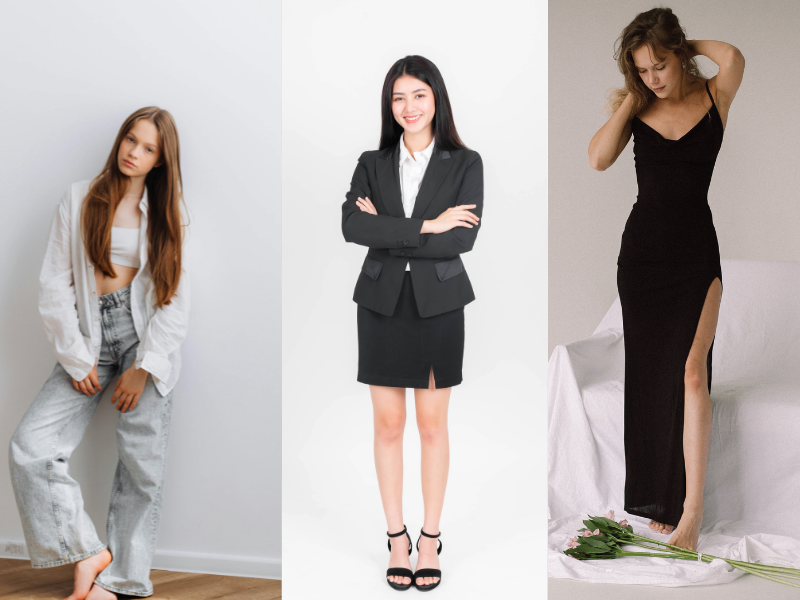
1. you can add to your Wishlist t shirt or crop top pair with a jeans or skirt its a perfect combo .
2. you can add sneakers because its comfortable and flat
3. now also ad some of the accessories but light jewellery and a crossbody bag .
Office & Professional Looks
1. you can wear blouse with the pencil skirt or the trousers .
2. wear a blazer on it for that bossy vibe.
3. and stick with the neutral shades or soft pink.
Party & Evening Looks
1. You can wear cocktail dress , jumpsuit or skirt with the heels .
2. And go bold with the accessories like clutch and makeup .
________________________________________
Accessories to Pair with Western Wear
Footwear (Heels, Sneakers, Boots)
1. Sneakers for the casual looks.
2. Heels for the office or party glams.
3. Boots for the edgy winter vibe .
Bags and Clutches
1. Crossbody bags for the casual outings.
2. handbags for the office and professional look .
3. Clutches for the parties and glam nights.
Jewellery & Watches
1. Minimal jewellery for the daily wear or office wear.
2. Statement pieces for the parties and evening events.
3. Add watches for the classy and stylist look .
________________________________________
Why Women Love to Wear Western Wear
- its works for every occasion ( office , party , casual , travel )
- its super comfortable and easy to move in .
- it was always comfortable with global fashion info .
- its always allow you to mix an match your own style .
- it will come in budget with the fabrics and the colours .
________________________________________
Conclusion
Western wear for women represents modern style, flexibility, and elegance. over the years its ha been change a lot from the graceful looks of the early 1900s to today we have focused in the comfort and the sustainable fashion . this shows us that how we have adapted and be more popular in the all over the world . with the right fabric , styling and the accessories , women can wear outfits for any occasion so be it casual , professional or a party wear that why western war has become an important part of eery women’s wardrobe.
________________________________________
Frequently asked questions
Q1: What is considered Western wear for women?
in Western wear includes like dresses, tops, skirts, jeans, trousers, jackets, jumpsuits, and co-ord sets.
Q2: What are the most popular fabrics in Western wear?
the most fabrics are Cotton, denim, polyester, silk, chiffon, and linen are most common fabrics.
Q3: Can Western wear be worn to formal occasions?
Yes, the blouses with the trousers, pencil skirts, or elegant dresses are perfect for formal events.
Q4: How has Western wear evolved over time?
it started with the elegant dresses I the=e early 1900 moved to flapper styles in the 1920s practical clothing in the 40s and glamorous look in the 50s boho vibes at the 60 and 70s power suits at 80s casual cool in the 90s and 2000s and now we have focused on the modern and sustainable fashion in the 2010s to 2020s
Q5: Why is Western wear so popular among women?
because Its versatile, comfortable, trendy, and women express their personal style .